

Rugs For Your Living Room: A rug can transform your living room from ordinary to extraordinary, adding warmth, style, and character to your space. Whether you’re looking to tie a room together, create a cozy nook, or make a bold statement, the right rug can make all the difference. But with so many options available, how do you choose the perfect rug for your living room? In this guide, we’ll walk you through everything you need to know, from selecting the right size to choosing the ideal material and design.
1. Why a Rug is Essential for Your Living Room
A rug serves several functions in your living room, making it more than just a decorative accessory:
- Comfort and Warmth: Rugs add warmth underfoot, especially in cooler months. They create a cozy atmosphere, making your living room feel more inviting and comfortable.
- Sound Absorption: A rug helps absorb sound, reducing echoes and creating a quieter environment. This is particularly beneficial in large living rooms or spaces with hard floors.
- Style and Aesthetics: A well-chosen rug can serve as the focal point of your room, pulling together colors and textures to create a cohesive look. It can complement your furniture and decor or add a touch of contrast.
- Protection: Rugs can protect your floors from wear and tear, especially in high-traffic areas.
2. How to Choose the Right Size Rug for Your Living Room
The size of your rug plays a significant role in the overall look and feel of your living room. Here are some tips for selecting the perfect size:
- Full Coverage (All Furniture on the Rug): If you want a bold, unified look, go for a rug large enough to accommodate all your furniture. This works well for spacious living rooms where the rug can be the centerpiece. Ideally, the rug should extend beyond the edges of the furniture by a few inches, creating a harmonious feel.
- Partial Coverage (Front Legs of Furniture on the Rug): A more common choice is to place a rug in front of your seating area so that the front legs of your furniture sit on it. This helps define the space and creates a cozy, grounded feel. Make sure the rug is large enough to cover at least the seating area, but not too large that it overwhelms the room.
- Smaller Rugs for Accent: If you have a small living room or want to add a pop of color or pattern, a smaller rug in the center can act as an accent piece. This works best when you have furniture placed around it, but not necessarily on top of it.
Use these measurements as a general guideline:
- Small rug: 4’x6’ (ideal for accenting smaller areas)
- Medium rug: 5’x8’ (perfect for placing in front of seating areas)
- Large rug: 8’x10’ or larger (ideal for larger rooms or under the entire furniture set)
3. Choosing the Right Rug Material
The material of your rug will affect its texture, durability, and overall look. Here are some popular rug materials and their pros and cons:
- Wool: Wool rugs are durable, soft, and naturally stain-resistant. They are great for high-traffic areas and provide warmth and comfort. They tend to be more expensive but are a long-term investment due to their longevity.
- Cotton: Cotton rugs are affordable and soft, making them an excellent choice for families with children or pets. However, they are less durable than wool and may not hold up as well in high-traffic areas.
- Synthetic Fibers (Polyester, Nylon, and Polypropylene): Synthetic rugs are typically budget-friendly and easy to clean. They are stain-resistant and come in a wide range of colors and patterns. However, they may lack the luxurious feel of natural fibers and can wear out faster in high-traffic areas.
- Silk: Silk rugs are extremely luxurious and add a beautiful sheen to your space. They are best suited for low-traffic areas, as they are more delicate and prone to wear. Silk rugs are also more expensive, making them a statement piece for your living room.
- Jute and Sisal: If you’re looking for a more natural, earthy look, jute or sisal rugs can be a great option. These materials are durable and add texture to your space, but they may be less soft underfoot compared to wool or cotton.
4. Choosing the Right Rug Design and Color
The design and color of your rug can completely change the vibe of your living room. Here’s how to make the right choice:
- Solid Colors: A solid-color rug can help create a calm, minimalist look. It’s ideal for modern or neutral rooms where you want the rug to complement the overall aesthetic without drawing too much attention. Choose a color that matches or contrasts with your existing furniture.
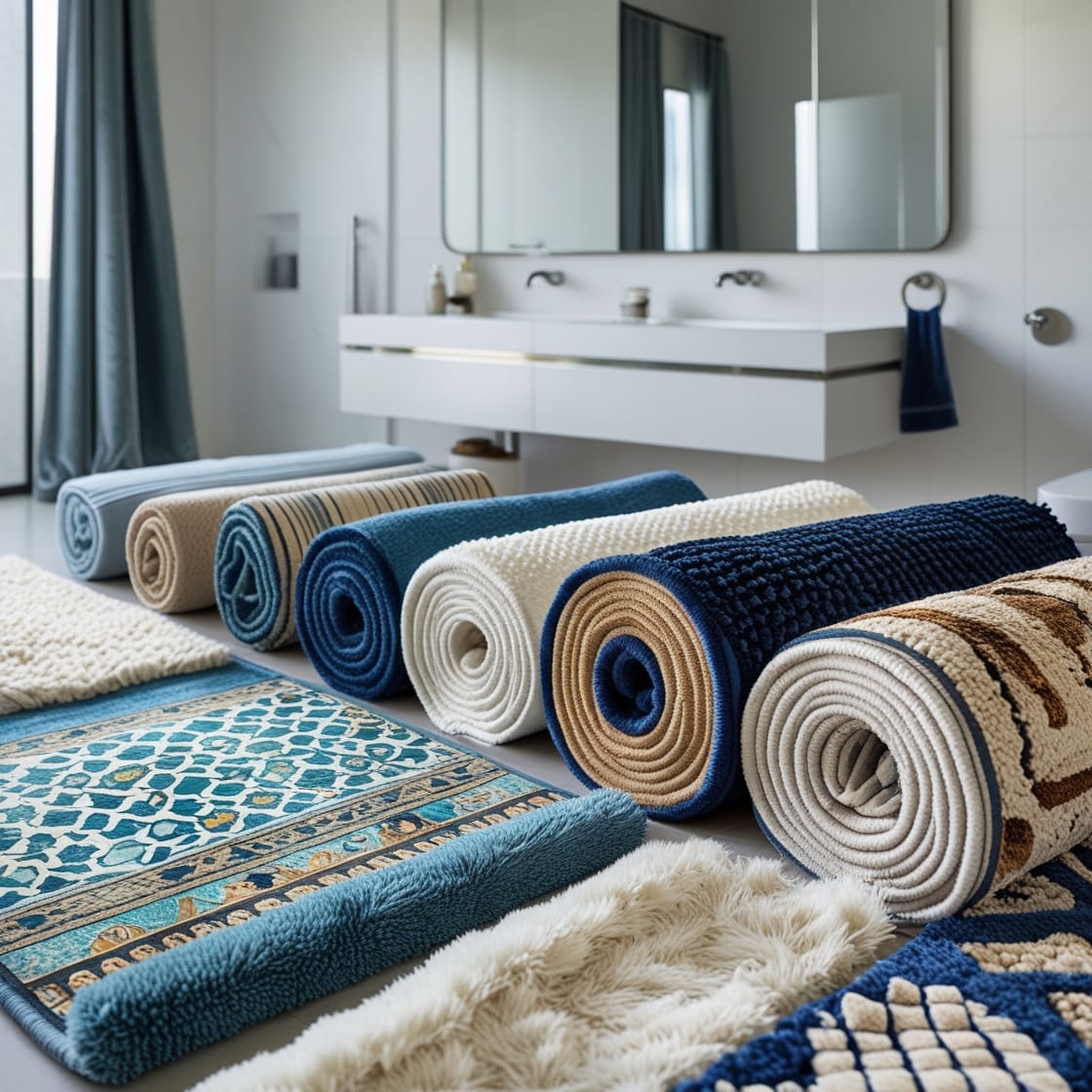
- Patterned Rugs: If you want to add personality and visual interest to your space, patterned rugs are a great option. Geometric designs, floral patterns, or tribal-inspired motifs can give your living room a vibrant and eclectic feel. If your furniture is neutral, a bold-patterned rug can serve as a statement piece. On the other hand, if your room has a lot of patterns, choose a rug with a subtle or neutral pattern to avoid visual overload.
- Color Harmony: Consider the colors in your living room when choosing a rug. A neutral rug can tie together various color elements, while a bold-colored rug can introduce a pop of color or contrast. You could use the rug to introduce new accent colors, or to pull together existing tones in your furniture, walls, and accessories.
5. Caring for Your Rug
Proper care is essential for maintaining the beauty and longevity of your rug. Here are some tips:
- Regular Vacuuming: Regularly vacuum your rug to remove dirt and dust. For wool rugs, be gentle with your vacuum settings to avoid damaging the fibers.
- Spot Cleaning: For spills and stains, clean them immediately to prevent permanent damage. Use a mild detergent or a rug-specific cleaner, and blot (don’t rub) the stain to avoid spreading it.
- Professional Cleaning: Depending on the material, rugs should be professionally cleaned every 1-2 years. This will help maintain their appearance and remove deep dirt that vacuuming can’t reach.
6. Where to Shop for Rugs
When shopping for a rug, you can find a wide selection online or in physical stores. Here are some top places to consider:
- Online Stores: Websites like Rugs USA, Wayfair, and Overstock offer a vast variety of rugs in different styles, sizes, and materials. Shopping online gives you the convenience of browsing at your own pace and comparing prices.
- Home Decor Stores: Stores like Ikea, Pottery Barn, and West Elm offer stylish rugs in different price ranges. These stores also allow you to feel the material and visualize how a rug will look in your space.
- Custom Rugs: If you want something truly unique, consider ordering a custom rug from a specialist. Many rug stores allow you to design your rug from scratch, choosing the size, material, pattern, and color.
7. Final Thoughts
Choosing the right rug for your living room is an exciting and rewarding process. A rug can add warmth, texture, and personality to your space while also serving practical purposes like sound absorption and floor protection. By considering the size, material, design, and care requirements, you can select a rug that complements your decor and meets your lifestyle needs.
Whether you’re aiming for a bold statement or a subtle accent, the perfect rug will bring your living room to life. Happy decorating!


Leave a comment